Why Keys Snap — and Why It Happens More Often Than You Think
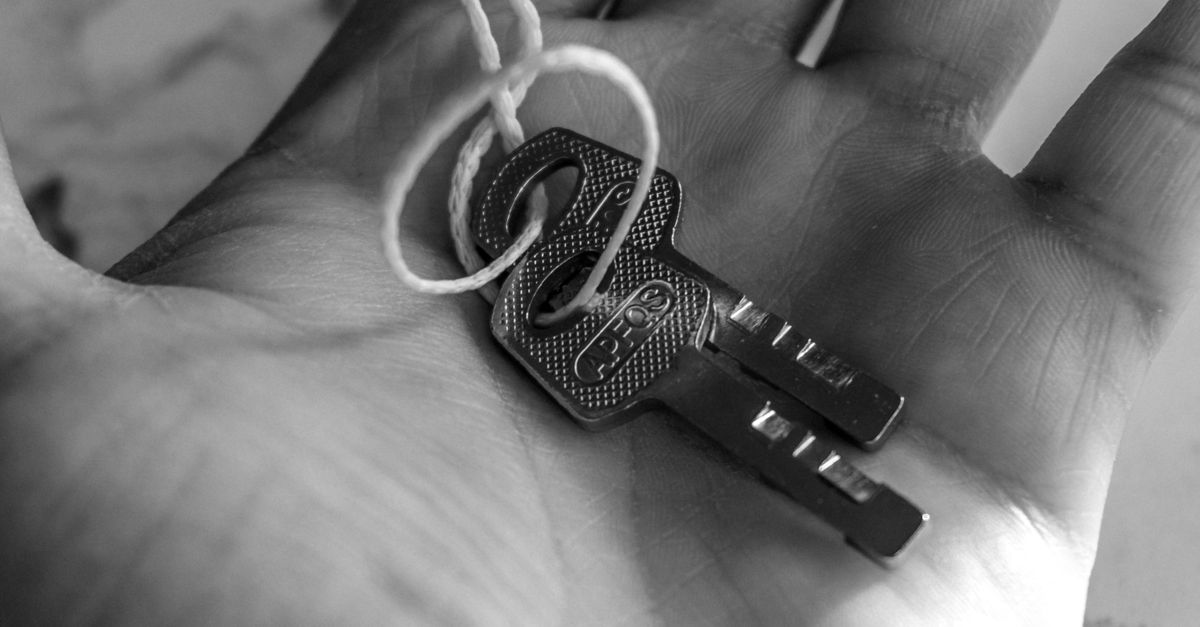
Keys fail for predictable reasons: metal fatigue from years of bending stress, a lock cylinder that has stiffened with age or grime, the natural wear that comes from sharing a keyring with a dozen other keys, or the simple human reflex of turning harder when a lock feels resistant. Brass and nickel-silver key blanks are not engineered to survive lateral force indefinitely. When the key finally gives way, the break usually happens right at the shoulder — the narrow transition point between the bow you grip and the blade that enters the keyway. That break point is also, frustratingly, the exact spot that disappears deepest into the lock or ignition. Cold Rochester winters compound the problem because metal contracts, lubricants thicken, and people grip harder. We see a reliable spike in extraction calls every November through February, particularly in areas like Henrietta and Gates where residents are scraping ice off cars before dawn.
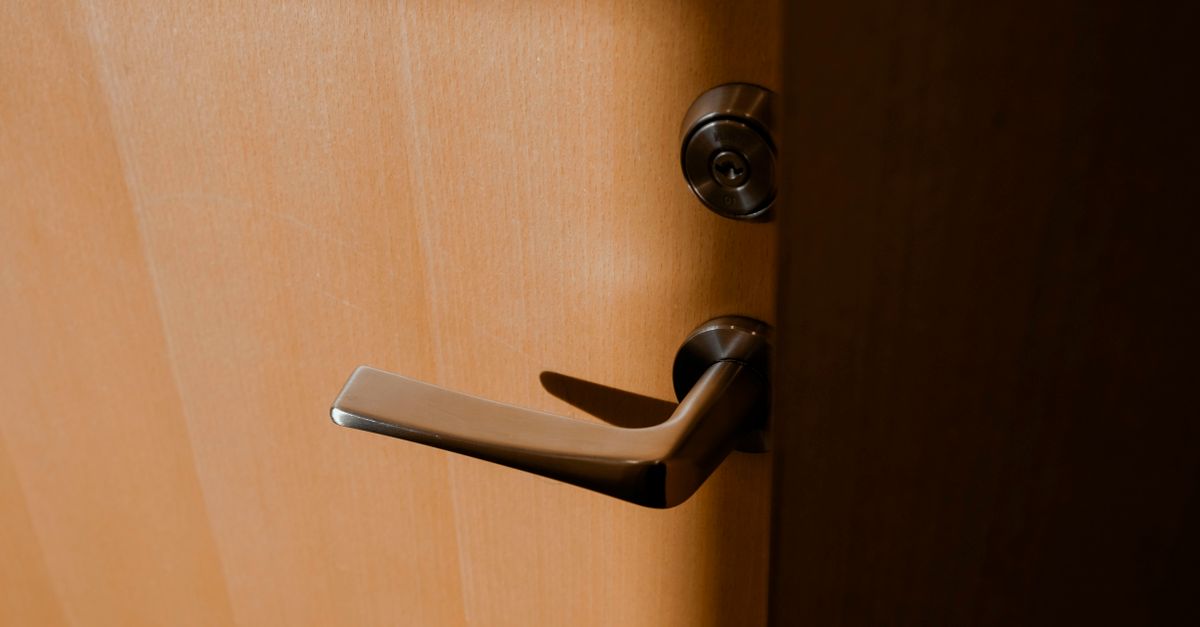
What makes extraction tricky is geometry. A mortise lock — the type embedded directly into the door edge and commonly found in older Rochester commercial buildings, apartment complexes, and brownstone-style residences — has a long, narrow keyway that can grip a broken blade stubbornly. Ignition cylinders in vehicles present their own challenge: the wafers or pins are spring-loaded around the blade, and without the correct technique, any attempt to fish the fragment out can drive it deeper or damage the cylinder walls. This is precisely why improvised extraction with tweezers, bobby pins, or super glue almost always makes the situation worse and more expensive to resolve.