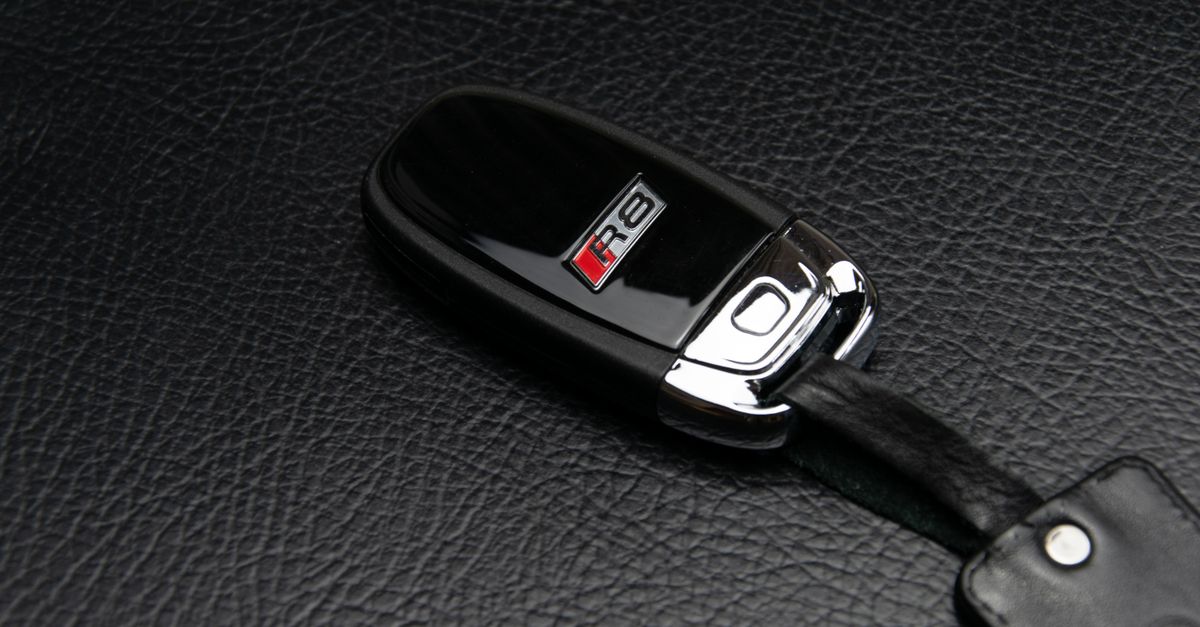
What Makes Audi Key Replacement Different from a Standard Car Key
Audi has invested heavily in vehicle security, and every generation of their key technology reflects that. Older Audi models may use a basic transponder chip embedded in the key blade — the chip communicates a unique code to the immobilizer, and without it the engine will not start even if the blade turns. Mid-range models moved to rolling-code remote fobs, and current Audi vehicles often use proximity smart keys that communicate via radio frequency as you approach the door, requiring no physical insertion at all. Each layer of complexity means the replacement process is distinct: a new key blank must be cut to the precise door and ignition profile, and the transponder or smart-key module must be coded to match your car's immobilizer control unit — a process that demands professional-grade diagnostic software, not an off-the-shelf device.
Our technicians arrive equipped with OEM-compatible programming tools that communicate directly with Audi's immobilizer and comfort control modules. We can add a new key to a vehicle that still has a working key, or — in total loss situations where all keys are gone — perform an all-keys-lost replacement that re-establishes a fresh key relationship with the vehicle's security system. Either way, the work is done roadside or in your driveway, skipping the dealership appointment and the tow truck entirely.