How Car Key Replacement Works — Brand by Brand
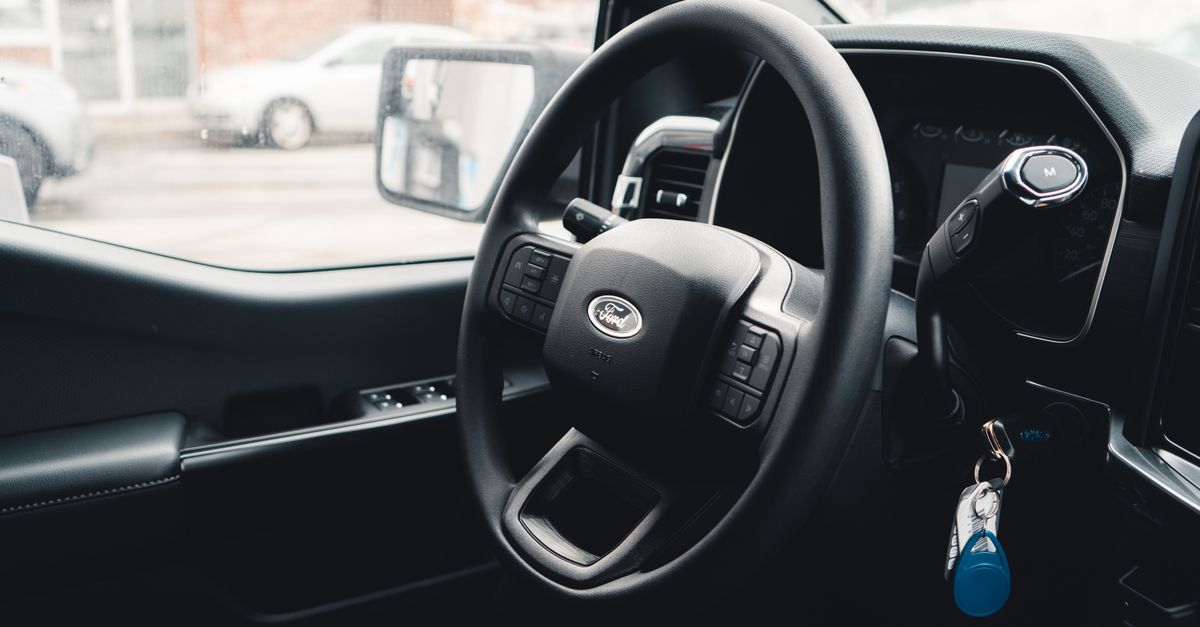
Not every replacement key is created the same way, and the brand of your vehicle largely determines the complexity of the job. For domestic vehicles like Ford F-Series trucks or Chevrolet Silverados — both extremely common on the roads through Monroe County — our technicians use OBD-II diagnostic tools to read the existing immobilizer seed key data and program a new transponder chip to match. GM vehicles produced after 2010 often use a rolling code system, while older models may require a timed relearn procedure that we execute on-site. Ford's PATS (Passive Anti-Theft System) requires at least one working key or a pin code extraction from the vehicle's PCM — a process our team performs without any damage to the vehicle's electronics.
Japanese brands like Toyota and Honda have adopted progressively more secure transponder systems over the years. Toyota's H-chip and G-chip transponders found in Camry, RAV4, and Tundra models require dedicated cloning or programming equipment, while newer Toyota models with Smart Key and push-button ignition systems demand a full on-board diagnostic sequence. Honda's immobilizer system, used across Civic, Accord, and CR-V lines, often requires programming through the OBD port with manufacturer-level software. European makes — BMW, Mercedes-Benz, Audi, and Volkswagen — tend to carry the most sophisticated systems, involving encrypted transponders and, in some cases, dealer-level key registration codes. Our technicians are trained on these platforms and carry the specialized hardware required to handle them in the field, right here in Monroe County.