Key Fob & Remote Programming: What the Process Actually Involves
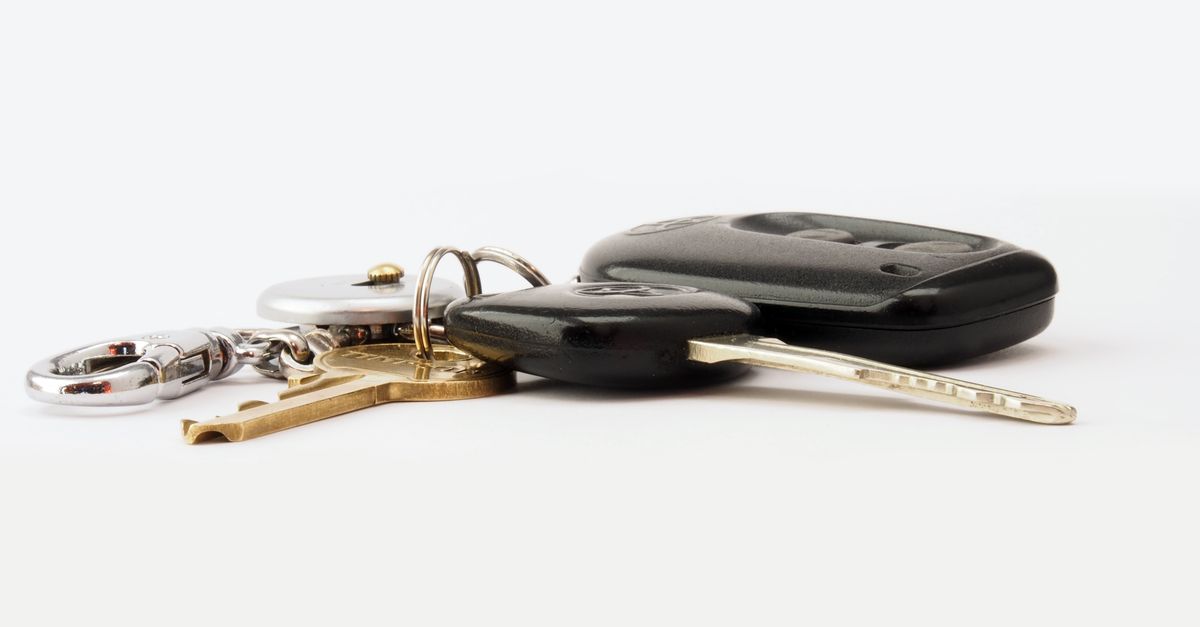
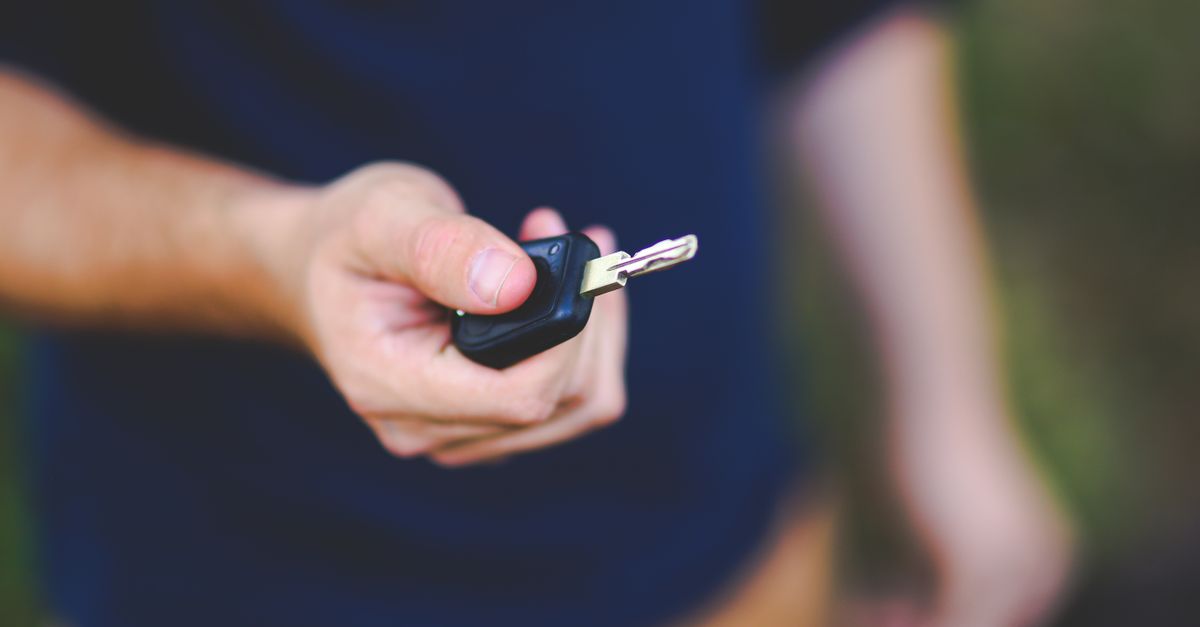
Programming a key fob or smart key is fundamentally a two-way handshake between your new hardware and your vehicle's onboard computer. The fob must be enrolled in the car's Body Control Module (BCM) or immobilizer ECU so the vehicle recognizes it as an authorized device. For basic remotes — lock, unlock, trunk release — the enrollment process requires specialized OBD-II interface tools and the correct make/model software profile. For smart keys and proximity-start systems, the process also involves writing a unique transponder ID to the vehicle's allowed-key list, which is why a hardware store duplicate will never start a modern car, even if the blade is cut perfectly. Our technicians use professional-grade, regularly updated programming platforms that cover domestic, European, and Asian vehicle lines, allowing us to handle everything from a Ford F-150 key fob to a Honda proximity smart key to a BMW comfort-access remote.
It is also important to understand that programming is destructive in one specific direction: most vehicles maintain a finite key-slot registry. If all programmed keys are lost, the registry may need to be fully cleared and all keys — including any spares — re-enrolled from scratch. This is why calling a trained technician early, rather than waiting, can save both time and cost. Our team will diagnose the current state of your vehicle's key registry before recommending a path forward, always aiming for a damage-free outcome for both the vehicle's electronics and its physical components.