What Is a Mortise Lock and Why Commercial Doors Demand One
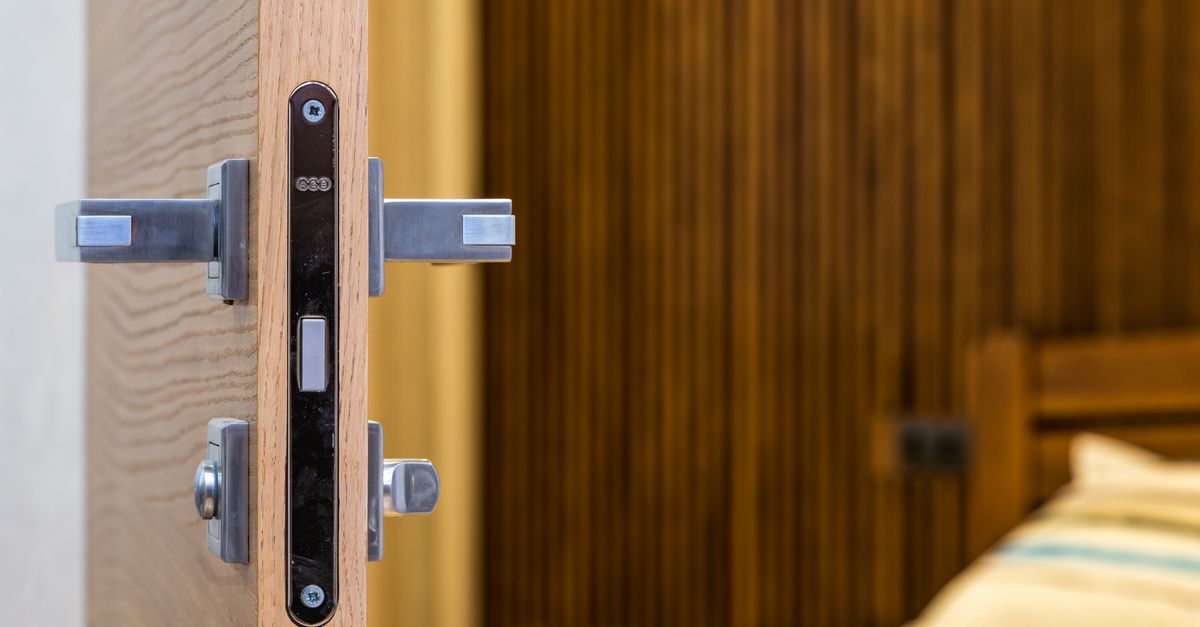
A mortise lock is a self-contained lockset — latch bolt, deadbolt, and all operating trim — housed inside a rectangular steel or cast-brass body that sits inside a routed pocket (the mortise) carved into the door's edge. The door face is thinner than it looks; the real strength is in the full-length engagement between the lock body and the reinforced strike plate in the frame. Because the mechanism is recessed rather than surface-mounted, it cannot be attacked by simply prying the knob or lever off the face of the door. This is why building codes and insurance carriers in New York State routinely require or strongly recommend mortise hardware on primary commercial entry points. If you have ever wondered what is a mortise lock versus a standard cylindrical lockset, the short answer is depth — both physical depth in the door and depth of security.
A mortise lock set exterior door installation also opens the door to access-control upgrades. Many bodies accept interchangeable mortise lock cylinder cores — SFIC (Small Format Interchangeable Core) or LFIC — letting a property manager rekey an entire building by swapping cores with a control key rather than calling a locksmith for every cylinder. Brands like Corbin Russwin and Baldwin manufacture bodies that accept these cores, and some modern bodies are now compatible with smart lock installation modules, pairing electronic credentials with the mechanical reliability of a full mortise chassis. Our technicians are experienced with all of these configurations and can advise which core format best fits your Monroe County property's master-key or access-control scheme.